

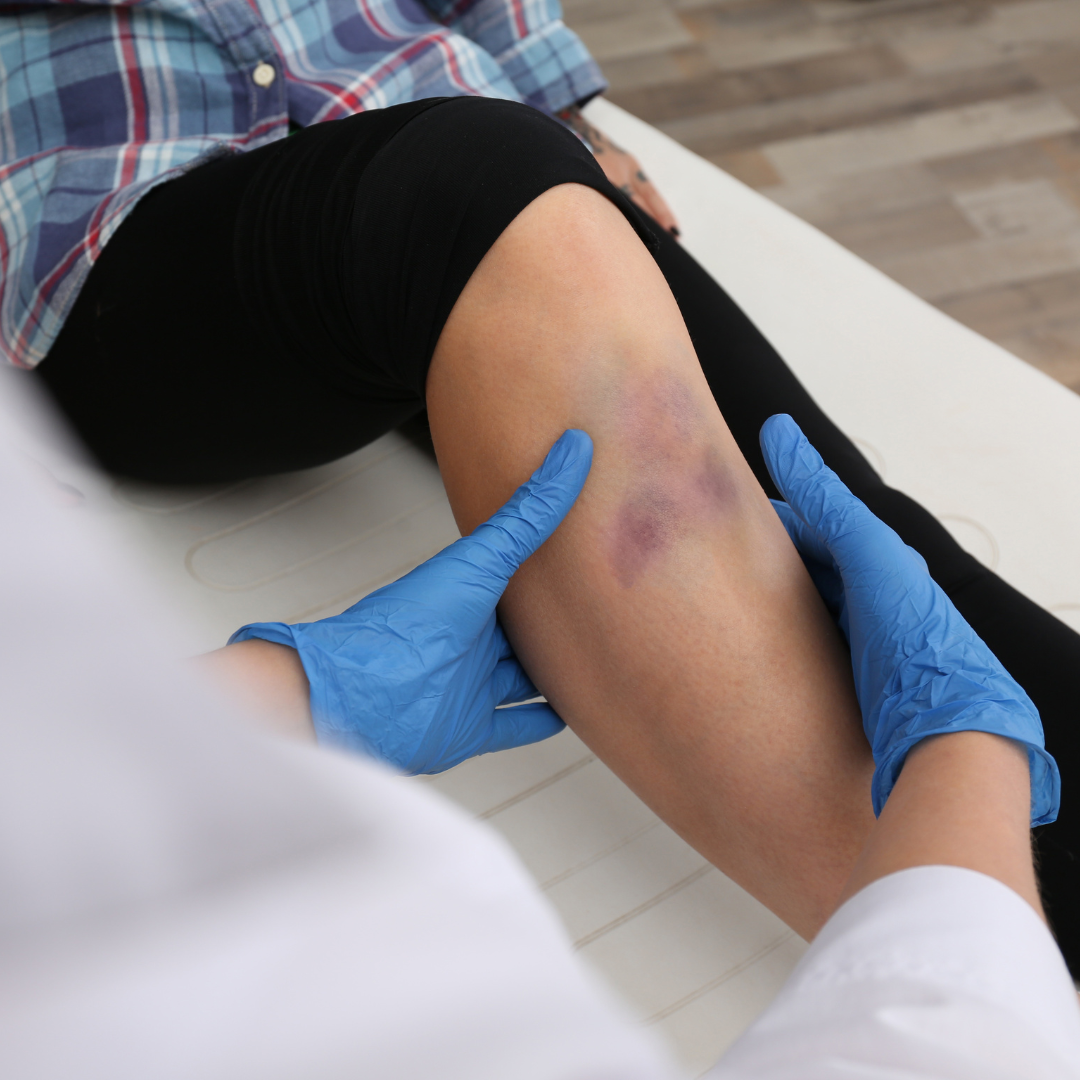
31 Mar How to Tell if a Bone is Fractured or Bruised
How to Tell if a Bone is Fractured or Bruised
Bone injuries can range from minor bruises to full fractures, and understanding the differences is essential for proper care. A bone bruise occurs when a bone sustains internal bleeding without a structural break, resulting in localized swelling and discomfort. A fracture, by contrast, involves a partial or complete break in the bone, typically accompanied by sharper pain, more pronounced swelling, and sometimes visible deformity. Recognizing the differences early helps patients seek timely treatment and avoid complications.
Common Causes of Bone Injuries
Most bone injuries result from falls, sports collisions, or vehicular accidents. The severity varies widely — from a bruise that improves within days to a fracture requiring weeks or months of recovery. Accurate diagnosis is critical. Imaging, such as X-rays or MRI scans, allows physicians to distinguish between bruises and fractures, guiding proper treatment. Misdiagnosis can delay healing, increase pain, and heighten the risk of long-term problems.
What Does a Bruised Bone Feel Like?
A bone bruise, also called a bone contusion, can be surprisingly painful — often more than patients expect from an injury without a visible break. The pain tends to be deep, aching, and localized directly over the injury site. Unlike a soft tissue bruise, which sits closer to the surface, a bone bruise originates from within the bone itself, which is why it can linger for several weeks even when treated properly.
Common symptoms of a bone bruise include:
- Deep, aching pain at the injury site
- Swelling and tenderness to the touch
- Skin discoloration ranging from red to purple
- Stiffness in the nearby joint
- Pain that worsens with activity but improves with rest
Unlike fractures, bruised bones rarely result in visible deformity, and most patients retain a reasonable range of motion. With proper rest, ice, and protection from further stress, most bone bruises heal gradually and without complications — though some can take six to eight weeks or longer depending on severity.
Signs of a Bone Fracture
A fracture is a structural break in the bone and typically presents with more severe symptoms than a bruise. Pain is often sharp and worsens with movement or applied pressure, while swelling and bruising are more pronounced. In some cases, the limb may appear misaligned or deformed, and weight-bearing may be difficult or impossible.
Common symptoms of a bone fracture include:
- Sudden, intense pain at the time of injury
- Significant swelling within the first few hours
- Visible bruising or discoloration around the area
- Tenderness along the bone when touched
- Difficulty or inability to move the affected area
- A feeling or audible sound of something snapping at the time of injury
- In severe cases, visible deformity or bone protruding through the skin
Prompt evaluation is critical. If you suspect a fracture, learn more about your options with our fracture care guide. Avoid putting weight on the area and seek medical evaluation as soon as possible.
Bone Bruise vs. Fracture: Key Differences
| Aspect | Bruised Bone | Fracture |
|---|---|---|
| Pain Level | Mild to moderate, deep aching | Severe, sharp |
| Swelling & Discoloration | Localized, less pronounced | Often significant |
| Mobility | Mostly preserved; slight stiffness | Limited; may be unable to bear weight |
| Healing Time | Days to 6–8 weeks | Several weeks to months |
| Deformity | Rarely present | Possible visible misalignment |
| Medical Imaging | Sometimes not visible on X-ray; MRI confirms | Usually visible on X-ray |
Can a Bone Bruise Turn Into a Fracture?
This is a common question — and the answer is no, a bone bruise does not turn into a fracture. They are two separate types of injuries that occur at the time of impact. However, a bone bruise that is not properly rested and protected can worsen over time, and in some cases, an injury that initially appears to be a bruise may actually involve a small stress-related fracture that wasn’t visible on early imaging. This is why follow-up evaluation matters if symptoms are not improving. Our orthopedic sports medicine team can help determine the exact nature of your injury through advanced imaging and clinical evaluation.
How Are These Injuries Diagnosed?
Accurate diagnosis begins with a physical examination and imaging. X-rays are the standard first step and are highly effective at identifying most fractures. However, bone bruises and certain stress fractures may not be visible on X-ray alone. In these cases, an MRI provides a more detailed view of the bone and surrounding soft tissue, allowing physicians to confirm the diagnosis and rule out additional damage.
At New York Sports Medicine Institute, our team uses advanced diagnostics to evaluate bone injuries thoroughly — ensuring nothing is missed before a treatment plan is established.
Healing Timelines and Influencing Factors
Recovery varies depending on the type and severity of the injury. Bone bruises often resolve within a few weeks, while fractures can take several months to fully heal. Age, bone density, overall health, and the location of the injury all influence recovery speed. Younger patients and those with strong bone health typically heal faster, while older adults or individuals with conditions like osteoporosis may experience longer recovery timelines.
Treatment Options for Bone Bruises and Fractures
For bone bruises: Treatment typically involves rest, activity modification, ice application, and anti-inflammatory medication to manage swelling and discomfort. Protecting the area from further impact is essential. Learn more about bone bruise treatment and what to expect during recovery. Physical therapy may be recommended to restore strength and mobility, particularly when the injury affects a joint.
For fractures: Treatment depends on the location, type, and severity of the break. Many fractures are managed with immobilization using a cast, splint, or brace to keep the bone in proper alignment while it heals. More complex or displaced fractures may require surgical stabilization using pins, plates, rods, or screws. Following immobilization, physical therapy plays a critical role in restoring function and preventing long-term stiffness or weakness.
Tips for a Strong Recovery
Regardless of whether you are dealing with a bone bruise or a fracture, the following steps support a smoother recovery:
- Follow your physician’s instructions carefully and attend all follow-up appointments
- Avoid returning to activity too soon — premature weight-bearing or exertion can delay healing
- Maintain a diet rich in calcium and vitamin D to support bone health
- Stay hydrated and get adequate sleep, both of which support tissue repair
- Monitor symptoms — increasing pain, new swelling, or numbness should be reported to your doctor promptly
Why Choose New York Sports Medicine Institute?
At New York Sports Medicine Institute, we provide comprehensive care for bone injuries ranging from minor bruises to complex fractures. Our orthopedic sports medicine specialists serve patients across New York City, White Plains, and Paramus, NJ, combining advanced diagnostics with individualized treatment plans tailored to each patient’s needs and goals.
Whether your injury requires rest and monitoring, immobilization, physical therapy, or surgical intervention, our team is committed to helping you recover safely and return to the activities you love.
Contact us today to schedule an evaluation at our NYC, White Plains, or Paramus office.